
Your Audience Isn't Interchangeable. Your Presentation Shouldn't Be Either.

Custom speaking engagements with Sarah of Wisdom Grove.
For organizations, teams, community groups, and event planners who want a presentation that speaks to the people actually attending.
Imagine inviting a speaker to your event, only to discover they're giving the exact same presentation they delivered last week to an entirely different audience.
Maybe they've changed the organization's name on the first slide. Maybe they've added a relevant anecdote.
But your people have their own experiences, challenges, and questions.
They deserve more than a recycled speech.
That's why I create every presentation around the people who will actually be in the room.
I speak about belonging, Nature, perception, leadership, and the ways we make sense of our experiences.
The topics provide a starting point.
The presentation itself comes from a conversation about your organization, your audience, and what you'd like people to take away.
Available virtually anywhere, or in person within approximately one hour of Downers Grove, Illinois.
Speaking engagements begin at $495.
A Different Kind of Speaking Engagement
You know your audience better than anyone.
You know whether they're gathering to learn something, consider a difficult question, reconnect with colleagues, or have a meaningful conversation that doesn't feel like another ordinary meeting.
You also know the challenge of finding a speaker.
You want someone engaging.
You want the subject to matter.
And you'd rather avoid spending your event budget on an hour of familiar motivational phrases that sound encouraging and don't give people much to think about afterward.
I approach speaking differently.
Before developing a presentation, I want to know who I'm speaking to.
What does your organization do?
Who will be attending?
What's happening in their world?
What questions are people wrestling with?
What would make the conversation worth having?
Those answers shape the presentation.
A leadership team navigating change has different needs from a conservation organization gathering volunteers.
A community group exploring belonging may want a different kind of experience from a professional association discussing perception and decision-making.
Even when the broad topic is similar, the people and circumstances aren't.
I build each talk with that in mind.
The goal is to create a presentation that gives your audience ideas they can connect with, questions worth considering, and opportunities to see familiar experiences from another perspective.
Your Event Deserves More Than a Speech That Could Be Given Anywhere
You've probably attended a presentation that was perfectly polished.
The speaker had practiced every pause.
The slides looked professional.
The stories were familiar enough that you could almost predict where the applause was supposed to happen.
You may have enjoyed it.
But afterward, you wondered what it had to do with the people in the room.
Event planners face a particular version of that problem.
You might spend weeks coordinating schedules, communicating with attendees, managing a budget, and making sure the day runs smoothly.
Then the speaker arrives with material that could have been delivered to any group in any city.
You're left hoping the audience finds a connection.
Perhaps you've considered choosing a speaker based mainly on a popular topic or a polished promotional video.
Those can be useful starting points.
But they don't tell you how someone will approach your specific event.
The question I want us to explore is what your audience needs from the experience.
For example:
Are people struggling to feel connected to the organization or one another?
Is your team facing change and questioning familiar ways of working?
Do attendees need an opportunity to reflect rather than absorb more information?
Are you planning an event where curiosity, discussion, and participation matter?
Would a fresh perspective on Nature, belonging, or perception serve the purpose of your gathering?
The answers help us determine the topic, examples, tone, and format.
I don't begin with a finished speech and try to make your audience fit it.
I begin by learning about your audience.
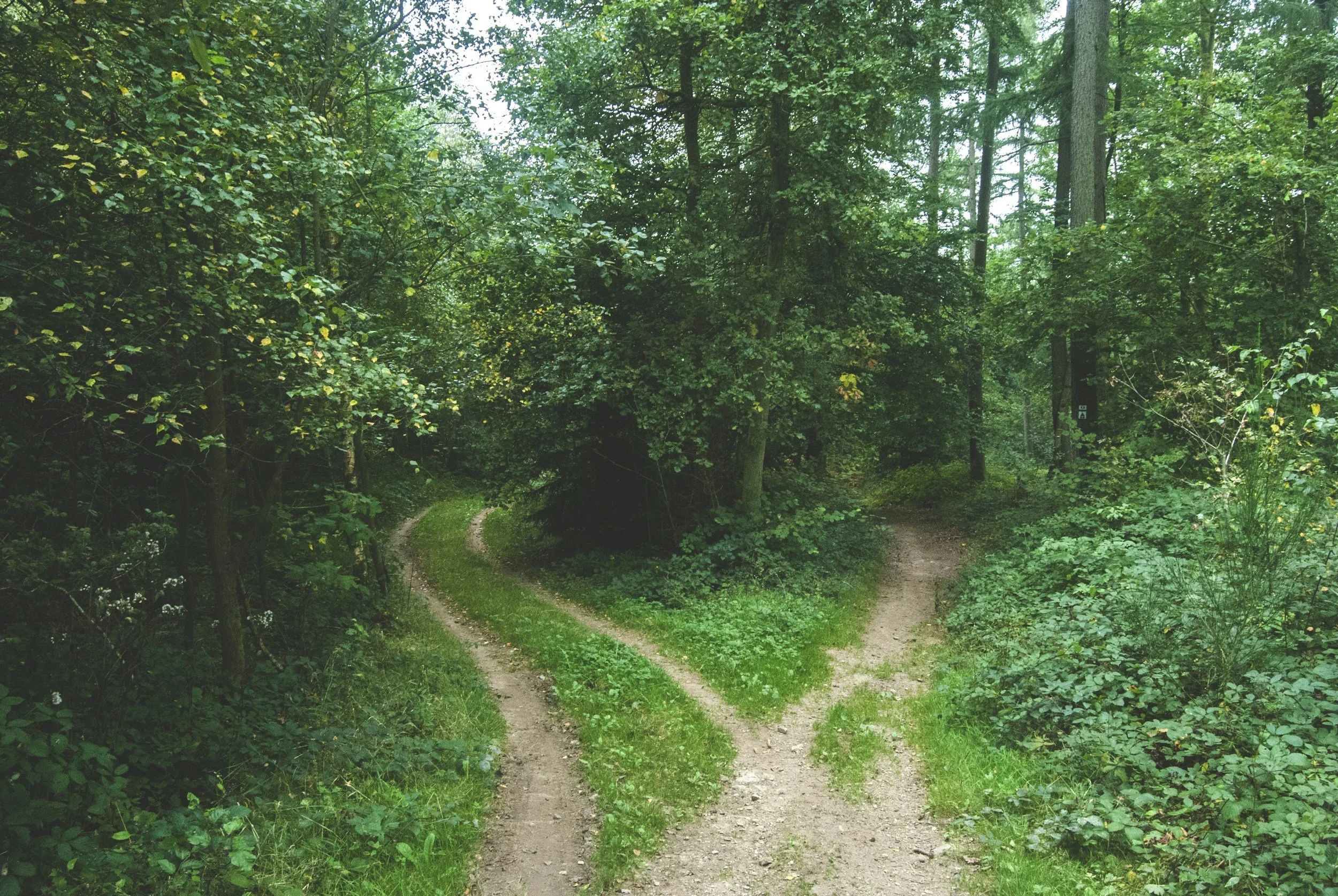
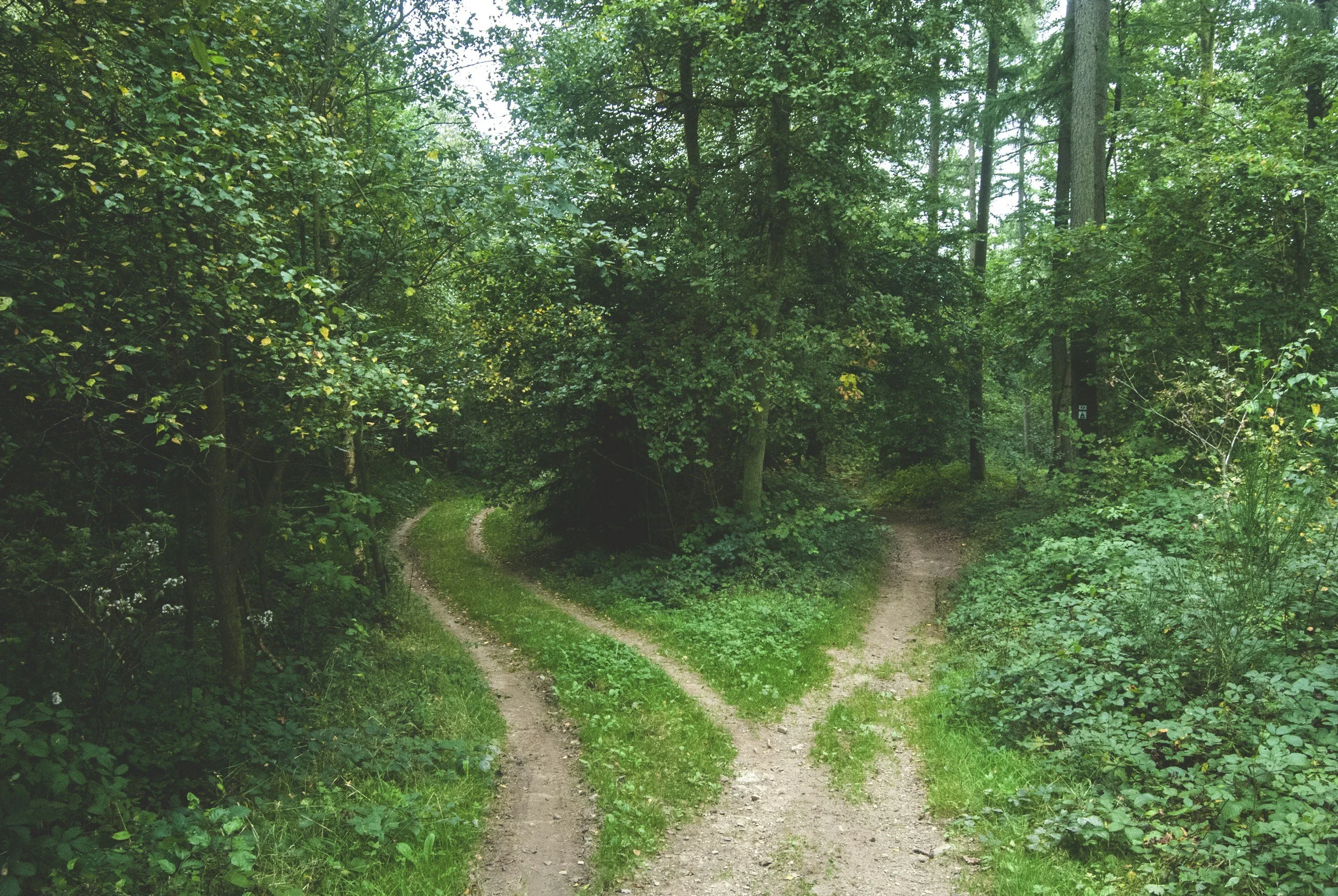
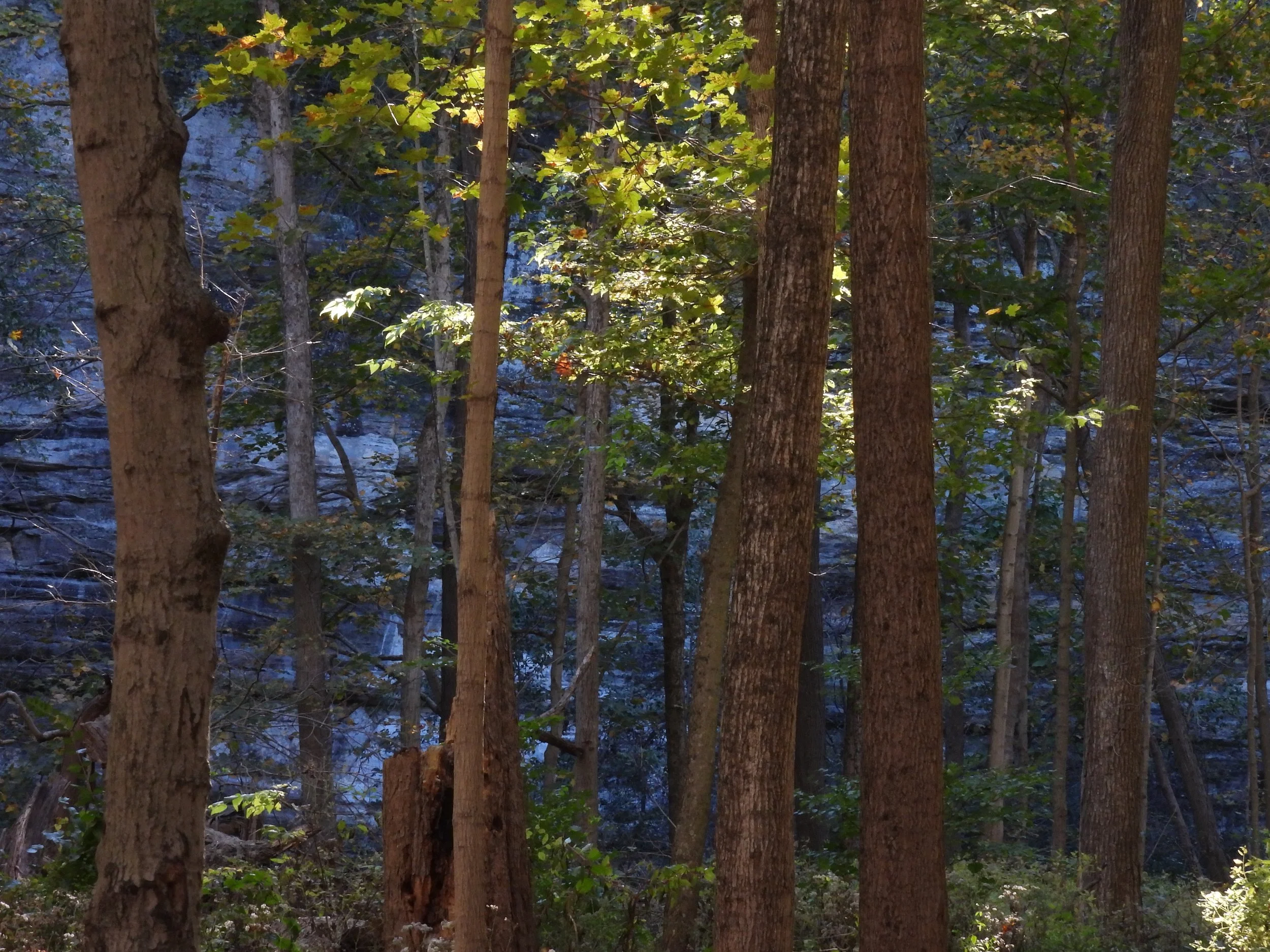
Speaking Topics: Four Places We Can Begin
My speaking work explores several connected themes.
You can choose one as a starting point, or we can discuss how different ideas might serve your event.
These are topic areas rather than fixed speeches.
How We Create Your Presentation
Every engagement begins with a conversation.
You don't have to arrive with a perfectly defined topic.
You might know exactly what you want.
Or you might know that your group needs a meaningful discussion about connection, change, or perspective, but you're still working out the details.
Either starting point is fine.
Step 1: Tell me about your event
We'll begin with the basics.
Who’s the audience?
What kind of organization or group is hosting?
When is the event?
Will it be virtual or in person?
What are you hoping attendees will experience or consider?
I'll also want to understand the setting.
A conference session, staff gathering, community event, and small-group workshop can each call for a different approach.
Step 2: We choose the direction together
We'll discuss which topics fit your audience and what format makes sense.
You may already be interested in one of my four topic areas.
Or we may discover that a combination would better serve your goals.
This is also when we'll confirm the package, timing, and practical details.
You won't be asked to purchase a speaking engagement before we've talked.
Step 3: I create the presentation
Once we agree on the direction, I develop the talk for your audience.
That includes considering the examples, questions, and opportunities for participation that fit the occasion.
The preparation is part of the work.
It's also why virtual and local in-person engagements have the same price.
The thinking and development matter just as much as the delivery.
Step 4: We share the experience
On the day of your event, I deliver the presentation we've discussed.
Depending on the package, that may include Q&A, extended discussion, or an additional interactive experience.
My goal is to give people material they can relate to and questions they may want to keep considering afterward.
I don't expect everyone to leave with the same interpretation.
A useful presentation can create different insights for different people.
That's part of what makes a real audience interesting.
What Makes My Speaking Approach Different
Every presentation is customized
I don't travel around delivering the same speech with a different organization name on the opening slide.
I would get bored.
And I suspect your audience would notice.
I want the work to remain interesting, relevant, and connected to the people attending.
That means each presentation starts with fresh questions about the audience and the occasion.
The conversation matters as much as the subject
A presentation can offer information.
It can also give people an opportunity to examine what they already believe.
I'm interested in that second possibility.
When appropriate, I include reflection, questions, and discussion that help people connect the ideas to their own experiences.
The amount of interaction depends on the event and package.
Different audiences deserve different approaches
A conservation organization, a corporate team, and a community association may all be interested in connection.
But their reasons for gathering are different.
Their experiences are different.
And the examples that matter to them will be different.
I respect those differences.
The goal is to create something that feels appropriate for the people you've invited.
What Your Audience May Take Away
I can't promise that one presentation will change an entire organization's culture or resolve every challenge a group is facing.
I can create an experience that invites people to pay attention, reflect, and consider perspectives they may not have explored before.
Depending on your event, attendees may have opportunities to:
Examine assumptions they make about familiar situations.
Consider how perception influences relationships and decisions.
Reflect on what belonging means in their own context.
Explore the connection between attention and their experience of Nature.
Discuss questions that matter to their team or community.
Recognize that people can interpret the same experience differently.
Leave with practical questions they can return to in everyday situations.
For example, imagine a team discussing a recent change.
One person says the change was handled well.
Another says they felt completely left out of the process.
Instead of treating those responses as competing verdicts, the group might begin examining what each person experienced and what information shaped their interpretation.
That kind of conversation doesn't require everyone to agree.
It requires curiosity and a willingness to consider more than one perspective.
Or imagine a community group discussing belonging.
People may begin recognizing the small actions that help someone feel welcome, as well as the assumptions that can unintentionally leave someone out.
The exact direction will depend on your audience.
That's why we discuss the event before I create the presentation.
What Organizers Can Expect
I want the booking experience to be straightforward.
You'll know the package prices before contacting me.
You'll know where I can travel.
And you'll know that we discuss the event before confirming an engagement.
You can expect us to talk about the audience, purpose, topic, format, and practical details.
I want you to feel comfortable explaining what your organization needs.
If you have a specific theme in mind, tell me.
If you're deciding between a presentation and something more interactive, we can discuss that.
If your group has particular concerns or questions, those are useful to know during planning.
I won't promise a particular audience response.
People bring different histories and experiences to an event.
But I will prepare with your audience in mind and develop the presentation around the direction we agree on.
You won't receive a generic speech that happens to fit the available time slot.
You'll receive a presentation created for your event.
About Sarah and Wisdom Grove

I'm Sarah (she/her), the creator of Wisdom Grove.
My work explores Nature, perception, belonging, and the Tree of Life as a universal process.
I'm interested in how people understand their experiences.
Why do we notice certain things and overlook others?
How do our assumptions influence what we believe?
What happens when we become curious about perspectives different from our own?
Those questions connect the different parts of my work.
Through Wisdom Grove, I explore them with writing, Nature photography, personal readings, courses, and speaking.
Each offers a different way to engage with the ideas.
My speaking work gives me the opportunity to explore them with a group.
And I enjoy the challenge of creating something that makes sense for the particular people attending.
That's one reason I don't offer a single speech that I repeat everywhere.
I want to know who I'm speaking with.
I want the examples to matter to them.
And I want the experience to reflect the reason they've gathered.
If you're planning an event where thoughtful questions and fresh perspectives would be welcome, I'd love to hear about it.
Hear Sarah Speak
Curious what a Wisdom Grove presentation feels like? Watch Sarah's full talk, “Bringing Back the Darkness,” presented to a community audience.
In “Bringing Back the Darkness,” Sarah explores light pollution, perception, rest, and our relationship with the natural world—bringing these threads together through a short practice of noticing.
Speaking Engagement Packages
All three packages include preparation and a presentation customized for your organization and audience.
Virtual and local in-person engagements have the same package prices.
In-person travel within approximately one hour of Downers Grove, Illinois, is included.
I accept local day-trip engagements only and do not offer overnight travel.
Every engagement begins with a conversation before booking.
A note for local nonprofit organizations
I may offer a small discount to local nonprofit organizations whose work is a good fit with my speaking themes.
These discounts are considered individually.
If you're planning an event for a local nonprofit, feel free to mention that when you contact me.

Frequently Asked Questions
-
I use visual aids when they serve the purpose of a particular talk. Some presentations benefit from slides; others are designed to be more experiential, using guided reflection, observation, and direct engagement with the audience. I choose the format that best supports the experience I want to create.
-
No. Each presentation is carefully prepared and tailored to its audience, so I work from a prepared script or notes rather than memorizing every word. When available, I prefer to use a teleprompter, which allows me to stay connected to the audience while delivering the material thoughtfully.
-
I have topic areas that help us begin the conversation.
Belonging, Nature, Leadership & Organizations, and Perception are the four main themes.
But I create each presentation for the specific audience.
We can discuss which direction best serves your event.
-
Possibly, yes.
Many of these subjects connect naturally.
For example, a discussion about leadership may involve perception and belonging.
We'll talk about your audience and determine what makes sense.
-
Yes.
I can speak virtually for organizations outside my local area.
Virtual engagements have the same package prices as local in-person engagements because the preparation and customization are the same.
-
I offer in-person engagements within approximately one hour of Downers Grove, Illinois.
Travel within that area is included in the package price. Travel outside that range will be considered on a case-by-case basis.
-
No.
Every engagement begins with a conversation.
We'll discuss your audience, event goals, format, date, and package before confirming the booking.
-
Start with whatever you know:
Your organization or event name.
The date or approximate timeframe.
Whether the event is virtual or in person.
Where the event will take place, if in person.
Who will attend.
The topic or questions you're interested in exploring.
Which package you're considering, if you have a preference.
You don't need to have every detail settled before reaching out.
-
That's fine.
Tell me about the event and what you'd like attendees to experience.
We can discuss which package fits.
Let's Create Something Worth Gathering For
You've put thought into your event.
You know who you're inviting.
You have a reason for bringing people together.
And you want the presentation to contribute something meaningful to the experience.
I'd love to learn about it.
We can begin with a conversation about your organization, your audience, and what you're hoping to explore.
You can tell me about a topic that interests you.
You can ask which package would fit.
Or you can describe the event and we can consider the possibilities together.
There's no need to purchase anything before we talk.
Every presentation is created for the people who will attend.
Your audience isn't interchangeable. Your presentation shouldn't be either.